
The Connection Between Clean Ducts and Better Sleep
Most people associate better sleep with better mattresses, darker rooms, or improved bedtime routines. But one of the most overlooked factors affecting sleep quality is something far less visible: the air circulating inside your home.
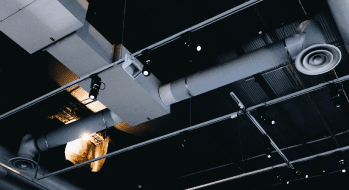
While you sleep, your HVAC system continues working in the background, quietly distributing air throughout your living space. If the ductwork is contaminated, the air you breathe for 6–8 hours every night may be carrying dust, allergens, and microscopic pollutants directly into your bedroom.
This is where indoor air quality becomes directly connected to sleep quality. You can learn more about improving overall indoor environments through our air duct cleaning services or contact our team for professional assistance. You can also directly call us at tel:+16472487807 or request a FREE quote for inspection and cleaning.
The Hidden Environment You Sleep In
On average, people spend nearly 90% of their time indoors, and a significant portion of that time is spent sleeping. Unlike daytime exposure, nighttime breathing is continuous, slow, and deeper, meaning air quality has a stronger physiological impact.
Over time, air ducts naturally collect:
- Fine dust particles
- Pet dander
- Pollen and seasonal allergens
- Mold spores in humid conditions
- Microbial buildup from moisture and stagnation
- Residual chemicals and indoor pollutants
Every time your heating or cooling system runs, these particles can be redistributed into the air you breathe while sleeping. The result is not always obvious, but it is cumulative.
How Air Quality Influences Sleep Physiology
Sleep is not just rest; it is a regulated biological process involving respiration, oxygen exchange, and nervous system recovery. Air quality directly interacts with these systems.
Respiratory Resistance During Sleep